

Phonics for ESL Learners: Helping Children Master English Sounds at Home
Learning to read in a second language can be challenging, especially for children learning English as a Second Language (ESL). English is filled with irregular sounds, silent letters, and tricky spelling patterns that don’t always follow predictable rules. But with the right phonics approach, ESL learners can build a strong foundation in English reading — and enjoy the process!
In this blog post, we’ll explore how phonics supports ESL learners, which sounds are most difficult for them, and how parents can help their children practice English phonics effectively at home using simple tools and routines.
🎯 Why Phonics Is Especially Important for ESL Learners
Phonics teaches the relationship between letters and sounds — a skill crucial for decoding unfamiliar words. For ESL children, phonics offers a structured way to learn the building blocks of English rather than memorizing words as whole units.
✏️ More than Just Memorization
In many languages, especially those with consistent letter-sound relationships (like Spanish or Korean), children can sound out words easily. But in English, without phonics instruction, ESL learners might guess at words or rely heavily on visual memorization, which isn’t sustainable for long-term reading success.
Example:
A child who sees the word “cat” may pronounce it correctly, but when encountering “bat,” “mat,” or “hat,” phonics gives them the tools to decode the word rather than guess.
🌍 Why ESL Learners Benefit More
- They’re learning new sounds that may not exist in their native language.
- Phonics helps build vocabulary while reinforcing pronunciation.
- It supports spelling and writing — not just reading.
🔠 Common English Sounds That ESL Children Struggle With
Every child is different, but there are common English sounds that tend to be especially difficult for ESL learners based on their native language.
- Short Vowel Sounds
Languages like Mandarin or Malay don’t distinguish between short vowel sounds like /i/ (as in “bit”) and /e/ (as in “bed”). ESL learners may confuse or mix them up.
At-home tip:
Play a game using minimal pairs (words that only differ by one sound), like “bit” and “bet.” Ask your child to point to the correct picture or act it out.
- Consonant Clusters (bl, st, tr, etc.)
Languages like Japanese or Thai often don’t use consonant blends. Children may drop one of the sounds (e.g., saying “top” instead of “stop”).
Example practice:
Use decodable books or flashcards with blends like “frog,” “flag,” or “trap,” and break them down together: “F-R-O-G.”
- Th Sounds (/θ/ and /ð/)
There are no “th” sounds in many languages, making “this,” “that,” and “think” especially hard.
At-home idea:
Make it silly and fun. Put a feather on your child’s lip and ask them to say “th” — the feather should move when they pronounce it correctly!
🧠 Practical Phonics Strategies You Can Use at Home
You don’t need to be a teacher to help your child practice phonics. Here are simple, effective ways to reinforce English sounds at home.
🗣️ 1. Repeat and Rephrase
When your child mispronounces a word, gently repeat it the correct way.
Example:
Child: “I want a tup of water.”
You: “Ah, a cup of water! Here you go.”
No need to correct directly — just model the correct version with encouragement.
📘 2. Use Decodable Readers with Audio Support
Choose simple phonics-based books designed for ESL learners. Many now come with audio recordings so your child can hear and repeat the correct pronunciation.
Tip:
Pause after each sentence and ask your child to read it aloud, then replay the audio for comparison.
🎶 3. Sing Songs That Emphasize Sounds
Songs and rhymes are excellent for building phonemic awareness. They slow down language and emphasize sounds in a rhythmic way.
Songs to try:
- “The Phonics Song”
- “Five Little Ducks” for /d/ and /k/ sounds
- “Old MacDonald” for vowel sounds and blending
🎨 4. Visual and Kinesthetic Activities
- Letter tracing (with fingers in sand, rice, or on paper) while saying the sound aloud.
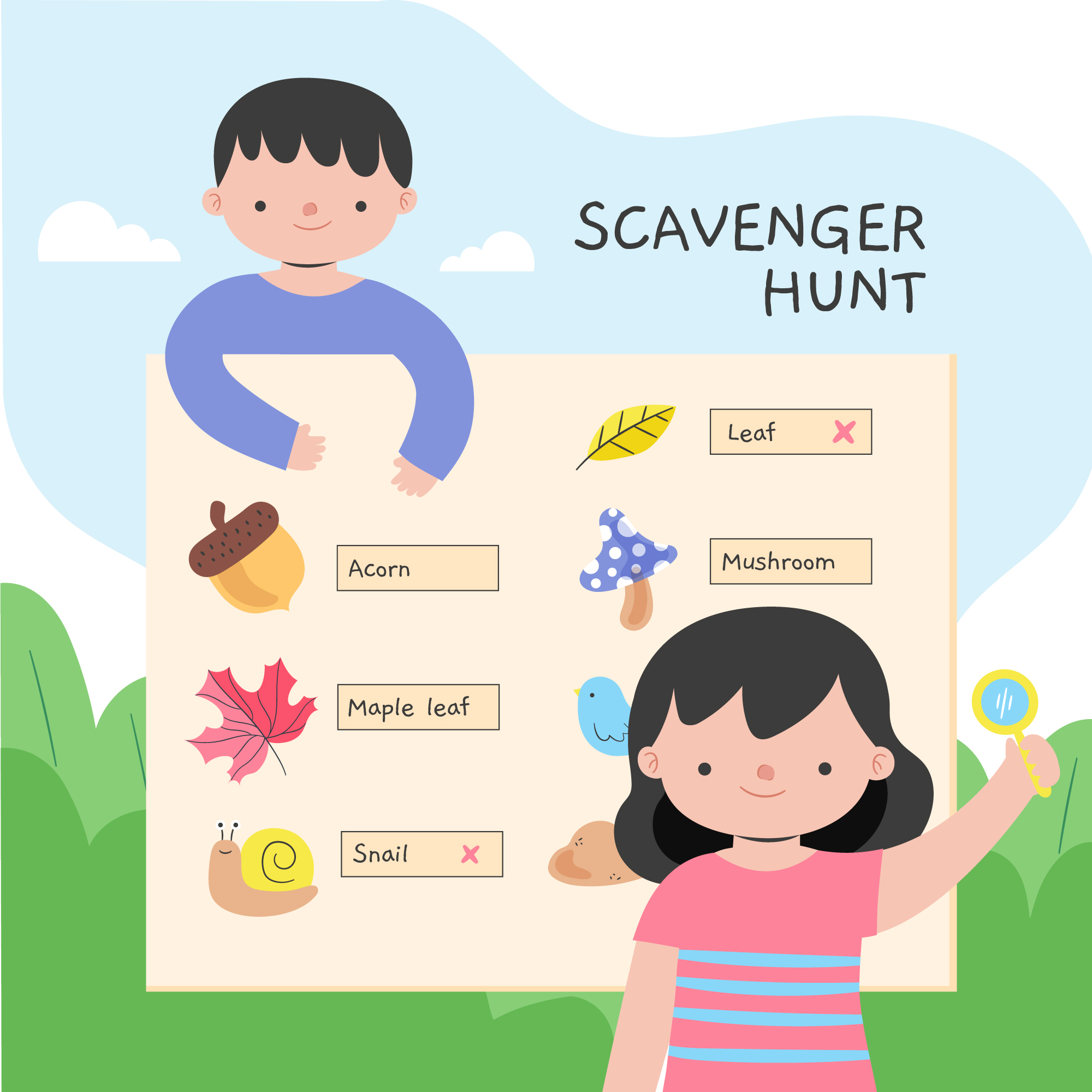
- Sound scavenger hunt: “Let’s find things that start with the /s/ sound — sock, spoon, soap!”
These techniques make learning active and multi-sensory — perfect for ESL learners who benefit from repetition in fun formats.
💻 Digital Tools to Support ESL Phonics Learning
There are many apps and websites that offer phonics support with a focus on ESL learners:
- ABCmouse: Good for foundational reading with interactive games.
- Reading Eggs: Offers ESL-friendly phonics lessons and e-books.
- Starfall: Clear pronunciation with phonics games for each sound.
Encourage short, purposeful screen time (10–15 minutes a day) to supplement hands-on practice.
💬 Encouragement Matters: Celebrate Progress, Not Perfection
Learning to read in a new language is a big task. Celebrate the small wins!
- Clap when they sound out a word.
- Create a sticker chart for every new sound mastered.
- Record their reading progress weekly and let them listen back to hear how much they’ve improved.
These emotional boosts keep motivation high and reduce frustration.
🌟 Final Thoughts: Your Role as a Language Guide
Parents play a critical role in supporting ESL children’s reading journeys. With consistent exposure to English sounds, fun phonics activities, and a lot of encouragement, your child can gain the confidence they need to become fluent, joyful readers.
Whether you’re considering our in-person phonics classes in Kovan or Canberra, or exploring our online phonics programs, our structured curriculum is designed to support ESL learners through visual, auditory, and kinesthetic methods every step of the way.
📘 Ready to support your child at home?
Contact us to learn more about how our programs help ESL learners thrive in reading!